Episode Transcript
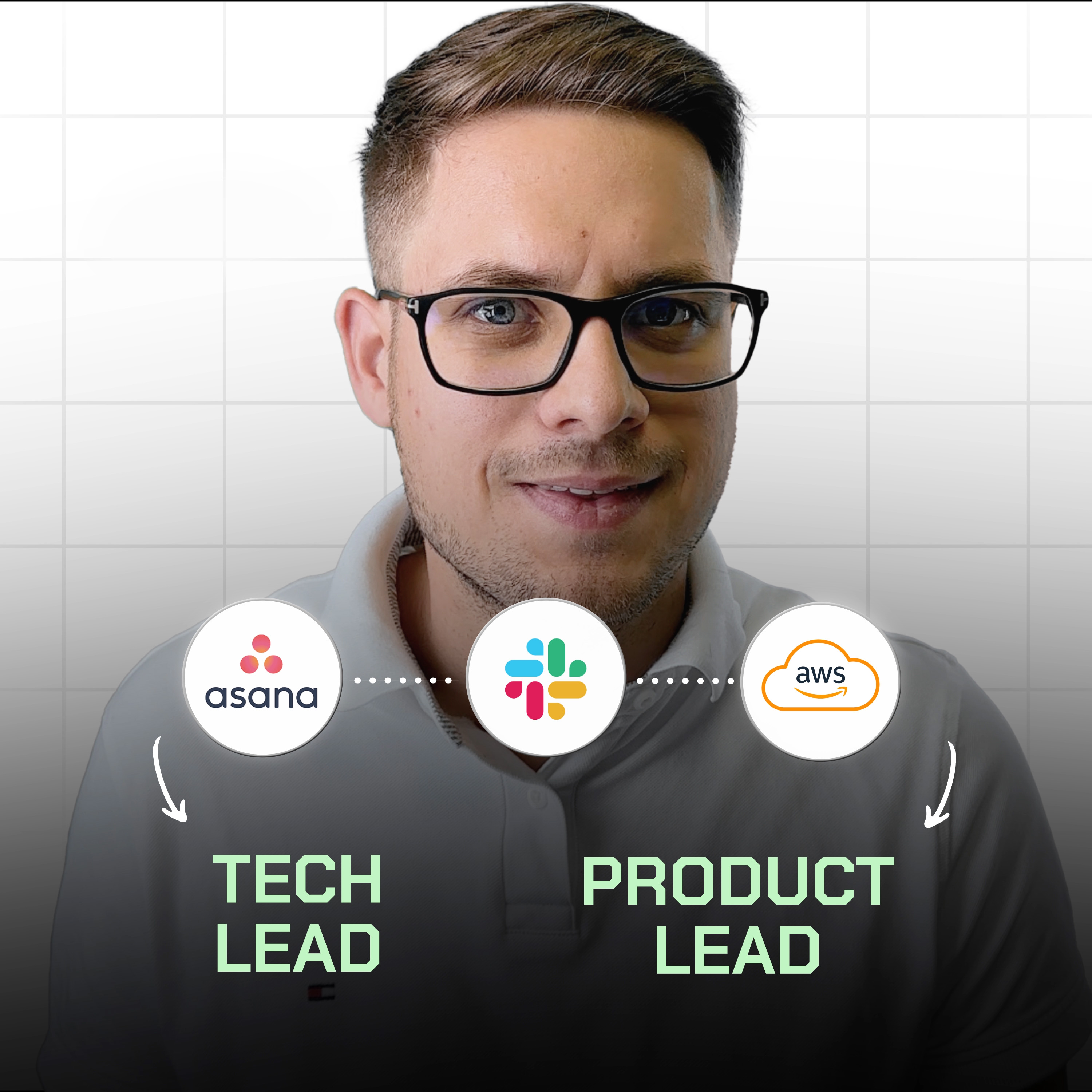
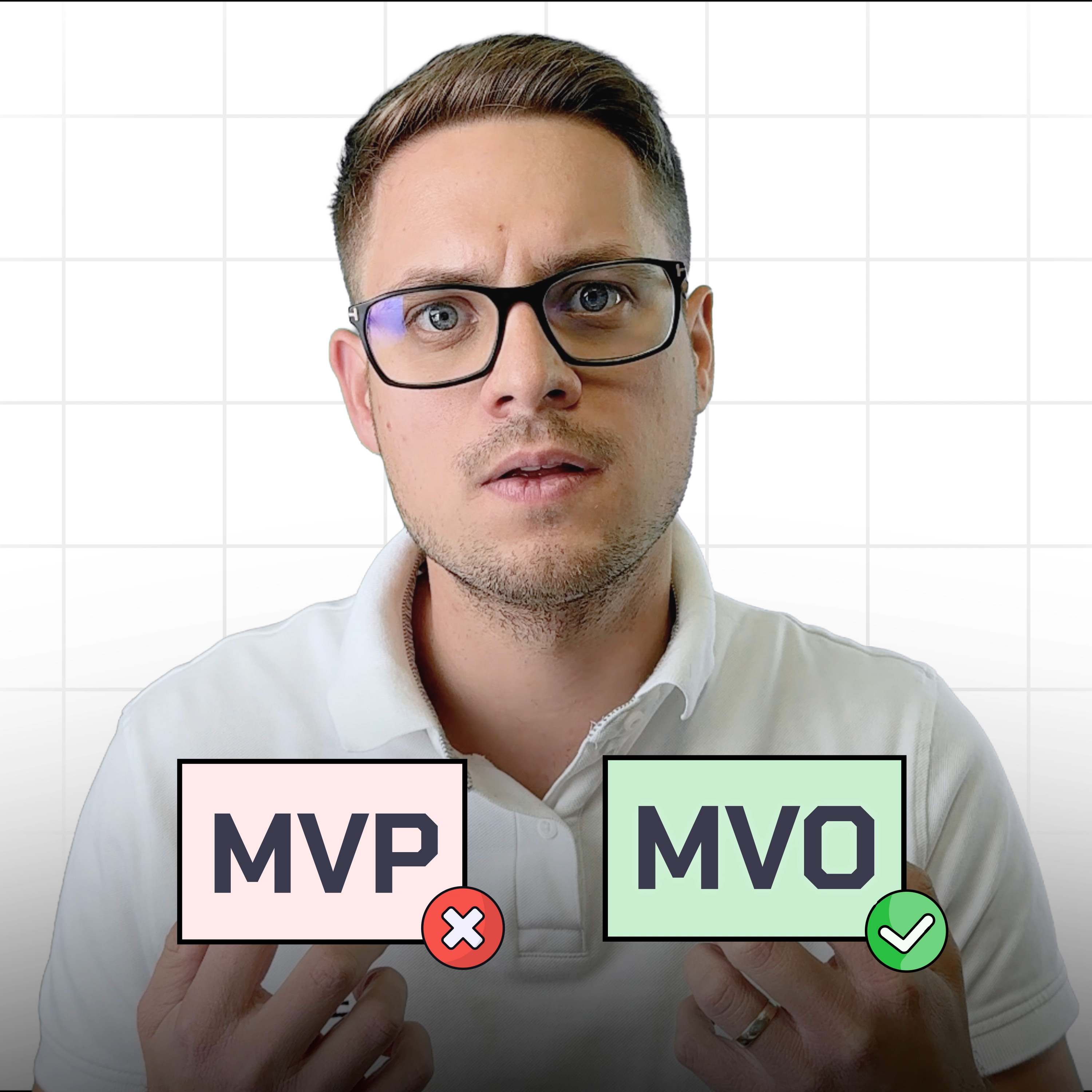
[00:00:00] If your dev team is sitting idle confused and you have no idea whether they are performing at their best, it can lead to costly mistakes and even put your SaaS at risk. With Catalk, for example, we implemented systems to prevent wasted time through proper product and project management coaching, allowing their team to hit timelines for the first time ever. If you are seeing me for the first time, my name is Victor and I've worked with hundreds of non technical founders and CEOs and this is is the number one problem that keeps them up at night. So today we'll find out how hiring and managing tech teams works and finally, I will share with you my top secret tip to maximize your productivity and deliver software on time. Okay, let's start with mistake number one. Your developers are sitting around idle waiting for work. Then you assign a task, but Suddenly you're getting 20 Slack messages asking for clarification. Half your team is waiting around for answers and progress is slow because obviously you are in an important sales call. There's a really simple fix for this, but first you need to understand why this happens. This is a symptom of a poorly defined work pipeline. The product vision isn't being broken down into clear, actionable and well documented tasks for the engineering team. Now, to solve this, first you need to maintain what we call a groomed backlog. Think of it like the chef's kitchen. A good chef doesn't just start cooking by running to the fridge, opening it up just to see what is in there. They all have their ingredients prepped, chopped and ready to go. Your backlog, which is just your team's to do list, needs to be the same. You should always have a list of the next five to ten tasks clearly defined and ready to be picked up. This is the single most effective way to prevent developer downtime. Once you have the system up and running, you won't have those those constant interruptions. Your developers know exactly what to build and you get to focus on actually growing instead of being everybody's chat GPT. It's honestly like getting your life back. And these are exactly the kinds of systems you need in place if you want to launch your MVP on time and without the usual chaos. If you'd like my personal help with that and setting this up and much more, there's a link in the description to just book a call with me, so feel free to do that. Now on to mistake number two. This feels like a very smart business move until you realize it's actually the most expensive decision you can possibly make. I'm talking about it feels very smart to hire three junior developers instead of one. I mean, hey, they might even cost the same because three devs will work more than one dev, right? But this is one of the most expensive and momentum killing mistakes you can possibly make. One problem is that you're not just paying their salaries. The true cost of an inexperienced developer includes the hours your senior team members have spent mentoring them, training them, and fixing their mistakes. The biggest slowdown in any project, by the way, isn't coding. It is communication and management overhead. So your first technical hire needs to be strong and experienced. Because the person's main job isn't just to write code, but to build the entire foundation of the product and understand what it is that you want to build. You need someone who can work autonomously, make smart technical decisions, and ideally help you hire the next person. So when you do hire, you need to look for what I call force multiplier skills. Skills that make the whole team better. During the interview, screen for passion, for resourcefulness, ask them about a difficult project they worked on. Do they light up when they talk about it? Ask them about a time they get stuck. Did they give up? Or did they just find a creative way to solve the problem? You want people who are teachable, humble, and not just technically brilliant. Also make a plan. Plan for how your team policies and structure will scale as you grow. Don't just add team members without a plan. Now all these tips will change your hiring mindset. Knowing who to hire and why. Because now you aren't going for the most hours worked, you are investing in actual progress. What one great engineer is worth five script kitties or more? Much more actually, because they make the entire team better. You need quality, not just quantity. Onto mistake number three, which I call the leadership vacuum. This is one where no one seems to be in charge of the product's direction. It happens much more frequently than you might think. You thought your first developer, whom you called a CTO would handle it, but they are more focused on code than on users and developers more often, often not. Aren't great product people or great people managers? And to understand the solution here, you need to first understand what each role really needs to even do. The product lead, what we call the product lead, is responsible for the what, the why and in which order. They own the product roadmap, they talk to customers, they define features, and they prioritize what gets built next. And in the beginning, that person most likely has to be you. As the founder, you are the first product lead. You hold The Vision the tech lead is your most senior developer. They are responsible for the how, they own the technical architecture, they ensure the code is of high quality, and they mentor other developers on the team. They take the what from the product lead and figure out the best way to then actually build it. The solution is to really, from the beginning, separate these two roles, the product lead and the tech lead. I'm not saying this is non negotiable, but finding one person who really excels at both is like finding a unicorn and you're probably not there. Also, don't give the CTO title away for the first hire like candy on Halloween. Founding engineer or tech lead is often a more appropriate title for a first tech hire because it doesn't imply the very high level people and you know, money management skills. Now doing this will give clear accountability for both product direction and technical execution. The developers will know who to ask about features and your product lead can make decisions him or herself. And now you've got a system that scales even without you making every tiny little decision, giving you the freedom to focus on growing the business while your product development runs smoothly. But if you're a non technical founder, the thought of finding and vetting the right tech or product lead is pretty probably a little bit terrifying. That's why I launched SaaS mastery. I give you advice around hiring the exact people you need in creating a fitting setup and we can source and pre vet those candidates for you. So if you want to skip all those different problems non technical founders fall into while launching their MVP and you need the help of maybe an entire trusted team from day one, then click the first link in the description and let's talk about on to mistake number four. As a non technical founder, you have no real way of knowing if the work being produced is any good. I mean you see task be marked as done check, but you're not sure if the code is of a solid foundation or just a house of cards. You can't tell if the team is moving fast or just spinning its wheels. And this will also allow you to find the weak spots of your code. Because your team might be shipping features quickly, but cutting corners on code quality to meet deadlines. This will get your technical debt higher and higher and higher and make it act like boom. Compound interest and every new feature becomes just a little bit harder and a little bit more expensive to build. So to fix this you can for example, hire a fractional CTO for quarterly audits. For a few hundred or a couple thousand dollars. You can pay a highly experienced independent technical leader for a few hours of their time. They'll review your code, assess your team's progress and process, and give you an unbiased report on the health of your technology. It's like getting a home inspection before you buy a house. It's like a no brainer, right?
[00:08:28] And also don't get fooled by those many vanity metrics like lines of code written or tickets closed. These really mean absolutely nothing. The only metric that matters is shipping valuable features to your customers. Or even better, measurable improvements in KPIs like feature adoption churn or user activation. You have to focus on outcomes, not activity. Finally, and not many non technical founders do this. Gauge your team's sentiment. You can use simple or even anonymous weekly surveys asking them to rate their confidence in the project from 1 to 5. Low morale is almost always a leading indicator of slow progress or deep technical problems. These things will allow you to have three unbiased sources of information on what's happening and allow you to make decisions about timeline, budget and technical debt. And most importantly, you can catch problems very early when they're less time consuming to fix rather than in the launch phase or funding round. And finally, this final mistake is what I call the Goldilocks problem. Your tech team is either building a massively scalable system designed for millions of users when you only have 10, or they've built such a cheap, flimsy version that it's constantly breaking even though customers are coming in and coming in. One is too big, the other is too small, but both will ruin your business in different ways. The over engineered route burns through your one way because you're paying for servers and complexity you don't need and waste your time on engineering it. The under engineered route means you spend all your time putting out fires instead of actually growing the business. So your focus should be to build a solution that solves the core user problem at the scale you're currently at or will be in the near future. Not building a system that handles millions, but also not something that is just held together with duct tape. And to help you stay on track when the most useful and overlooked tips is to simply ask why. If your developer wants to use some complex setup, ask why. If they say for scale, ask why you need that scale. What scale? What skill are we talking about? Keep asking why until you understand the real business reason. And finally, the most important technical feature for any startup in my top secret it's the ability to change direction quickly. A simple system is easier to adapt and change. We all know the road to product market fit is littered with pivots, changes, new features that come up last minute. You need to maximize the speed of iteration. Great way to enforce this is by using a fixed time and budget with a flexible scope. You tell the team we have two weeks and this much money to solve this problem. Let's figure out the simplest version we can ship. By doing this, you've just unlocked your startup's greatest competitive advantage speed. By building what's needed now, with the simple, reliable tools, you can adapt and respond to your customers faster than any of your bloated competitors. So there you have it. The five biggest pitfalls for non technical CEOs in the playbook. To avoid them, we've just gone from chaos to a predictable workflow. You don't need to learn how to code to be an effective non tech leader. You need a framework and the confidence to ask the right questions. This is your framework. Now I know putting this into practice is the hard part. If you want an expert guide in your corner to make sure you get it right, that's exactly what I do. Click the link in the description to book a call with me in the and let's build a clear roadmap and finally get your MVP launched smoothly and on time. Thanks for watching. Subscribe for more videos like this and I'll see you in the next one.